

Links for today’s readings:
Apr 24 Read: Amos 8 Listen: (2:16) Read: Matthew 28 Listen: (2:39)
Links for this weekend’s readings:
Apr 25 Read: Amos 9 Listen: (3:08) Read: Psalm 73 Listen: (2:56)
Apr 26 Read: Obadiah 1 Listen: (3:28) Read: Psalm 74 Listen: (2:34)
Scripture Focus: Amos 8.11-14
11 “The days are coming,” declares the Sovereign Lord,
“when I will send a famine through the land—
not a famine of food or a thirst for water,
but a famine of hearing the words of the Lord.
12 People will stagger from sea to sea
and wander from north to east,
searching for the word of the Lord,
but they will not find it.
13 “In that day
“the lovely young women and strong young men
will faint because of thirst.
14 Those who swear by the sin of Samaria—
who say, ‘As surely as your god lives, Dan,’
or, ‘As surely as the god of Beersheba lives’—
they will fall, never to rise again.”
Reflection: Famine-Bread vs the Bread of Life
By John Tillman
Weather, war, economics, and ecological disasters cause famines. The worst famines have multiple causes.
The Irish Potato Famine began with a fungal blight on potatoes in 1845. It was worsened by tariffs and economic policies of the British government that caused every other kind of food produced in Ireland to be exported to England while millions of Irish people starved to death.
In 1932, the Holodomor, which means “death by hunger,” in Ukraine began with mismanagement. Russia intentionally weaponized and worsened the shortages to crush Ukrainian identity and break resistance to Soviet control. Millions died.
In 1941 Axis powers began an 872 day blockade of Leningrad to cause starvation, desperation, and surrender. An estimated 1.5 million people died—nearly half the city’s population.
Famine victims eat strange or disgusting things. Non-food animals, like dogs, cats, rats, mice, and insects are first. Famine victims also boil and eat leather from shoes, handbags, or saddles to get scraps of protein and items of cotton or linen to fill stomachs. They stretch flour by mixing it with dirt, sawdust, clay, or ground bones. They eat animal-based glues, such as bookbinding or hide glue and scrape the paste off of old wallpaper because it contains potato starches. Cannibalism also occurs, both in some modern examples and biblical ones.
God promised a strange famine to Israel. He took his word from them precisely because they wouldn’t listen to it. He removed food they were already refusing to eat.
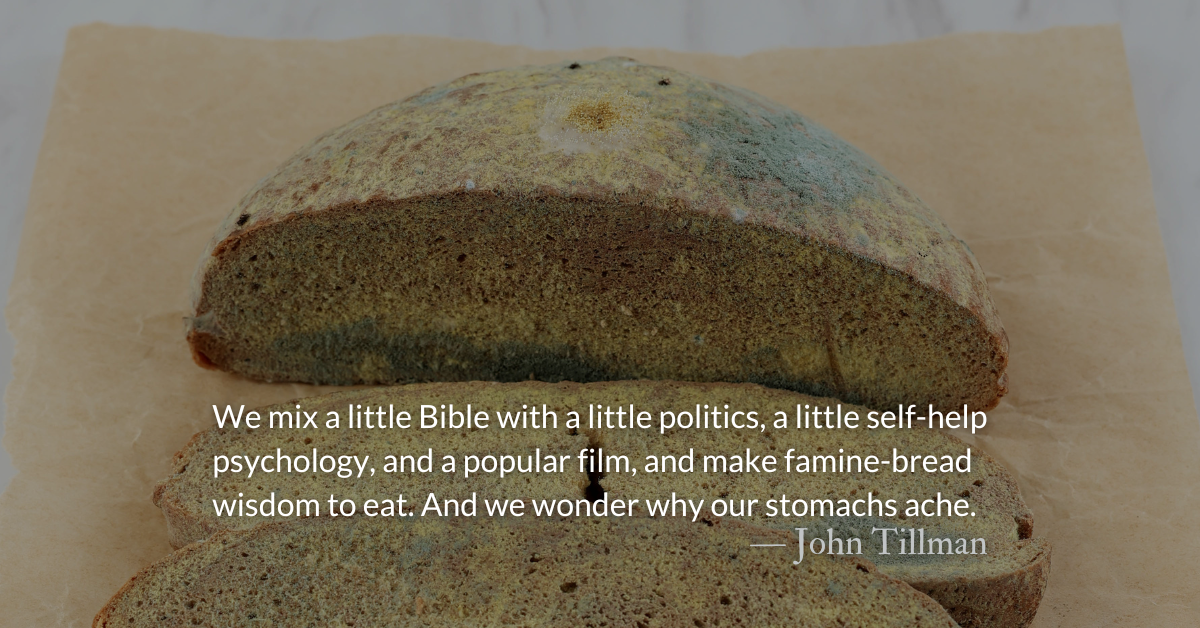
Imagine a city with free, delicious bread on every corner. Yet, people scrounge for flour, mix it with dirt and sawdust and eat horrific loaves of famine-bread instead. That’s a picture of Amos’s Samaria and our world today.
We have greater access to God’s word, the Bible, today than ever before. It is like the bread of life is on every corner, yet we ignore it. We need God’s word so badly that ignoring it long enough leads to gorging on disgusting substitutes. We fill our sickened bellies with anything to hide pangs of hunger for God.
Leaders read fake Bible verses (or misapply real ones) on national media. We mix a little Bible with a little politics, a little self-help psychology, and a popular film, and make famine-bread wisdom to eat. And we wonder why our stomachs ache.
Stop eating famine-bread. Devote yourself to the bread of life in God’s uncut and unadulterated word, the Bible.
Divine Hours Prayer: The Call to Prayer
Search for the Lord and his strength; continually seek his face. — Psalm 105.4
– From The Divine Hours: Prayers for Springtime by Phyllis Tickle
Read more: God of the Weak and Doubtful
Thank God, that he is the God of the weak and the doubtful.
In doubt hold out your hands.
In weakness cling to him.
Read more: Better Things to be Doing
In moments of worship, whether private or corporate, may we remember there is nothing more profitable that we could be doing than worshiping God.

