

Links for today’s readings:
Jul 8 Read: Isaiah 37 Listen: (6:47) Read: Acts 24 Listen: (4:11)
Scripture Focus: Isaiah 37:1
When King Hezekiah heard this, he tore his clothes and put on sackcloth and went into the temple of the Lord.
Reflection: Leadership and the Can’t-Do Attitude
By Erin Newton
Not long ago, my day started like any other. I prepared breakfast for our four kids but heard a shriek from the bathroom. The toilet (freshly used) was overflowing! The biohazardous, soupy mess was flooding the room. At this point, I was in my late 30s. I had multiple degrees. I had renovated two houses on my own. This wasn’t my first rodeo, but I lost it. My first instinct was to call my dad. Because let’s be honest, sometimes you need parental help.
Hezekiah, king of Judah, has ruled a nation since childhood. He’s reformed the temple. He is, by all means, capable and experienced. So what shakes him up in Isaiah 37?
The previous chapter reveals how Sennacherib’s army began to taunt Judah. The messengers tear their robes and relay the threats to Hezekiah.
Hezekiah responds by tearing his clothes as well. Robe-tearing was a frequent practice in the Old Testament. The practice often signals lament or a distressed emotional state. The king assumes this posture and then runs to the Lord.
I appreciate this show of weakness, humility, and emotional vulnerability from Judah’s highest citizen. Not only does he seek the Lord but he asks for the wisdom of God’s prophet, Isaiah.
The message from God (and Isaiah) is that Hezekiah has no need to fear Sennacherib’s threats. Salvation will come; it’s all going according to plan.
When strong and powerful people are met with threats, our modern culture expects resilience, confidence, unflinching and unwavering strength, and often, an “I can do it on my own” attitude. It’s quite the opposite of what we see in Isaiah 37.
Hezekiah could have trusted his own power, military, authority, strength, or status. But he chooses to openly and publicly admit he’s scared and that he doesn’t have all the answers.
How different would it be if our leaders showed such vulnerability? How much better would it be for us to openly reveal when we are overwhelmed?
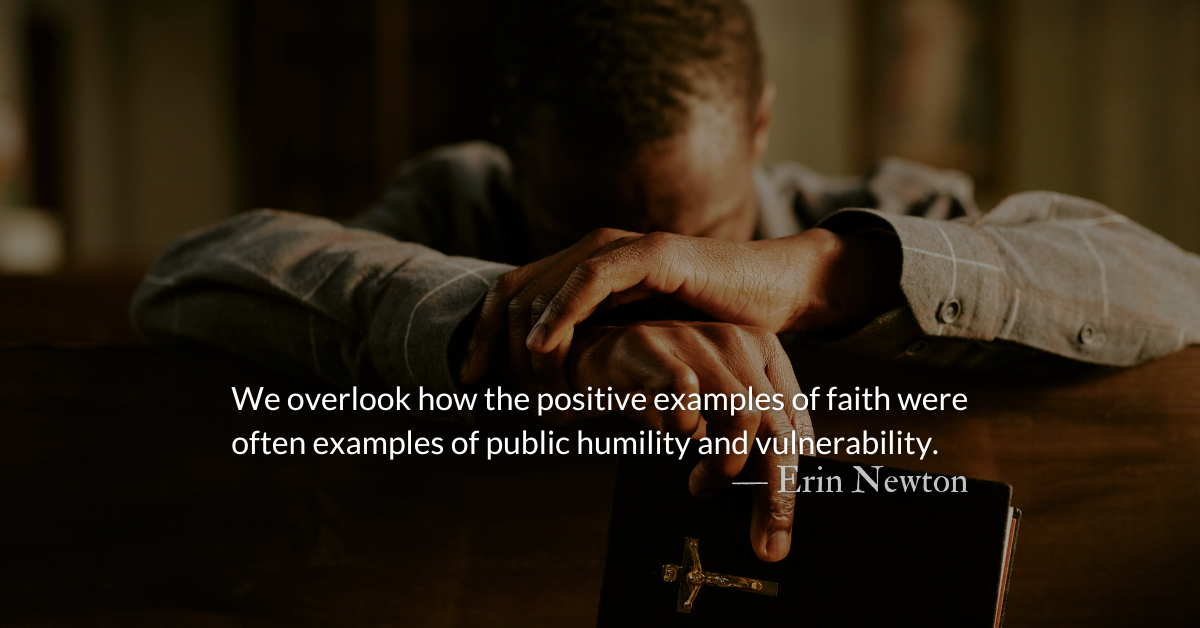
Contemporary culture likes to promote independence and self-made confidence. We overlook how the positive examples of faith were often examples of public humility and vulnerability.
We know that we should seek God for help. We herald, “Rend your heart and not your garments” (Joel 2.13) as if that’s an excuse to never show our own hurt. Let us rend our clothes and our hearts, run to the Lord, and seek his people for wisdom. That is how we lead.
Divine Hours Prayer: The Greeting
O Lord my God, I cried out to you, and you restored me to health.
You brought me up, O Lord, from the dead; you restored my life as I was going down to the grave. — Psalm 30.2-3
– From The Divine Hours: Prayers for Summertime by Phyllis Tickle.
Read more: Winning People > Winning Arguments
Paul’s trial was a platform for him to find common ground with all people and to explain the gospel publicly.
Read more: The Way of the Remnant
If we suffer, let it be for doing good, not evil. Let us suffer for generosity not selfishness. Let us suffer for kindness not violence.

