Links for today’s readings:
May 4 Read: Micah 4 Listen: (2:33) Read: Psalms 83-84 Listen: (3:20)
Scripture Focus: Micah 4.1-4
1 In the last days, the mountain of the Lord’s temple will be established
as the highest of the mountains;
it will be exalted above the hills,
and peoples will stream to it.
2 Many nations will come and say,
“Come, let us go up to the mountain of the Lord,
to the temple of the God of Jacob.
He will teach us his ways,
so that we may walk in his paths.”
The law will go out from Zion,
the word of the Lord from Jerusalem.
3 He will judge between many peoples
and will settle disputes for strong nations far and wide.
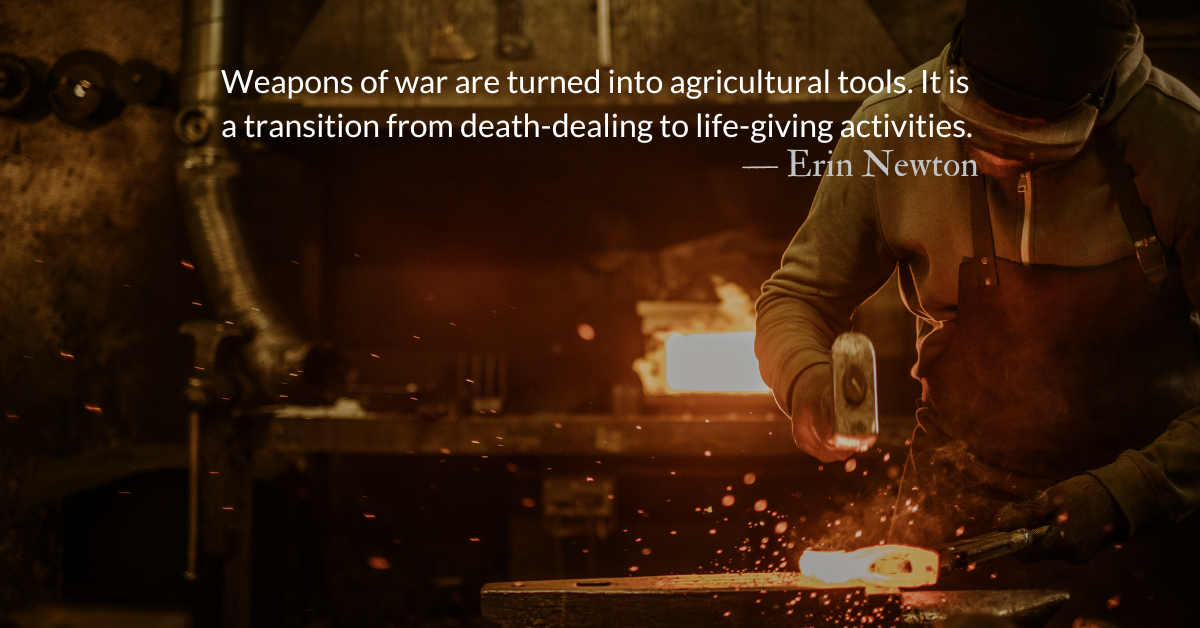
They will beat their swords into plowshares
and their spears into pruning hooks.
Nation will not take up sword against nation,
nor will they train for war anymore.
4 Everyone will sit under their own vine
and under their own fig tree,
and no one will make them afraid,
for the Lord Almighty has spoken.
Reflection: Confrontation and Hope
By John Tillman
Today’s passage is one of Micah’s most hope-filled.
Micah and Isaiah were contemporaries, using similar imagery and language. It makes sense that God spoke similar things to prophets speaking in the same time period.
Micah saw his nation slipping down a rebellious path to war and destruction. He saw systematic corruption and oppression of the poor, the idolatry and hypocrisy of false worship, and the misuse and misrepresentation of God’s name.
Both prophets delivered unflinching messages about coming judgments for sin. They warned of war, destruction, death, slavery, and exile. However, every warning of woe held a promise of hope.
Micah and Isaiah both proclaimed that the mountain of the Lord, where the temple stood, would become the highest mountain and Jerusalem would be like the garden of Eden. All peoples and nations would stream up the mountain to worship God.
Micah and Isaiah were also very different. Isaiah was an insider. Micah was an outsider. Isaiah was powerful, frequented the palace, and personally knew and spoke to kings, leaders, and high officials. Micah was from a rural area of Judah with no powerful connections other than the God in whose name he spoke.
Both the kings and the citizens needed to be confronted with the realities of their sins. They also needed to know the hope God had planned for them. Prophets don’t flinch from either confrontation or hope.
We need prophets from different perspectives, like Isaiah and Micah. Those close to the powerful must hold them to account. Those close to the oppressed must speak from their perspective. Too often, those in halls of power are corrupted by that power rather than confronting its sins. And too often those speaking for the oppressed forget that the oppressed also need repentance. And everyone needs hope.
Where has God placed you? Are you a powerful insider or an oppressed outsider? Most of us are somewhere in between. No matter where you are, you must both confront and inspire.
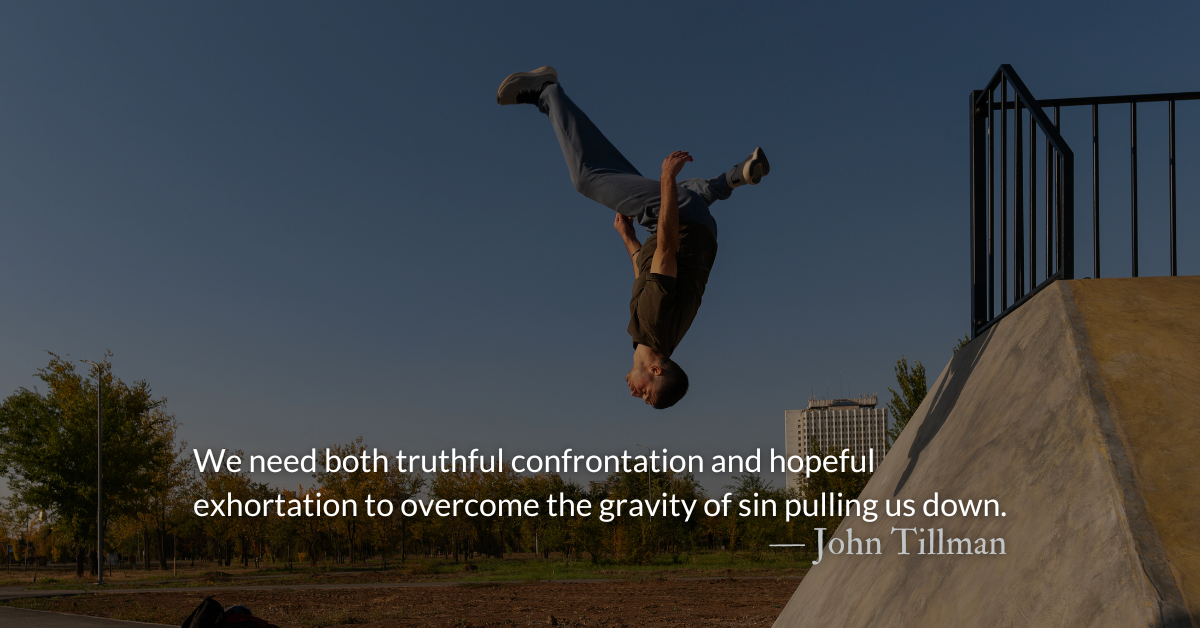
We need both truthful confrontation and hopeful exhortation to overcome the gravity of sin pulling us down. Only then can we “stream” upward to the city of God and seek him in its temple. (Micah 4.1)
The gospel is good news about bad news. The bad news is the destiny sin has earned us. The good news is the destiny Jesus won for us. The gospel dies without truth and hope. Share both.
Divine Hours Prayer: The Refrain for the Morning Lessons
God looks down from heaven upon us all, to see if there is any who is wise, if there is one who seeks after God. — Psalm 53.2
– From The Divine Hours: Prayers for Springtime by Phyllis Tickle
Read more: A Hill That Defeated the Mountains
We have competing “divine mountains” …trying to “downgrade” the way of Jesus…loving God, neighbor, and enemy is a nice “hill,” but we need a mountain.
Read more: The Mountain of the Lord
Let our gravity be changed. Let every other “mountain” in our lives, by faith, be cast into the sea as we are drawn up.